


Agriturismo Wineries in Tuscany: Family Farms, Wine, Slow Travel & the Real Tuscan Countryside

Updated: Sep 22

"The best memories in Tuscany rarely happen on a schedule. They happen around a family table, beside a vineyard at sunset, or over a second glass of wine offered by someone who treats you like you've been visiting for years."
Most visitors arrive in Tuscany dreaming of rolling vineyards, medieval villages, unforgettable wine, and meals they'll talk about long after returning home.
Those dreams certainly come true.
But after spending countless years exploring more than 150 wineries across Tuscany, we've discovered something even more memorable than the wine itself.
It isn't always the grand castles.
It isn't always the famous Brunello.
It isn't even the spectacular views stretching across the Val d'Orcia.
It's the places where Tuscany still feels like someone's home.
Those places are called agriturismi.
The first time we pulled onto the gravel driveway of an agriturismo winery, we expected another tasting room.
Instead, we found laundry gently moving in the afternoon breeze, rosemary growing beside the stone walkway, an elderly gentleman pruning vines that his grandfather had planted decades earlier, and children laughing somewhere behind the farmhouse. We found individual Villas, Pools, common areas, dinning terraces, rolling vista the our vacation slowed down.
Within minutes, someone I'd never met was pouring a glass of wine while asking where I had traveled from.
Dinner wasn't prepared by a restaurant staff hidden behind swinging kitchen doors.
It was prepared by the family.
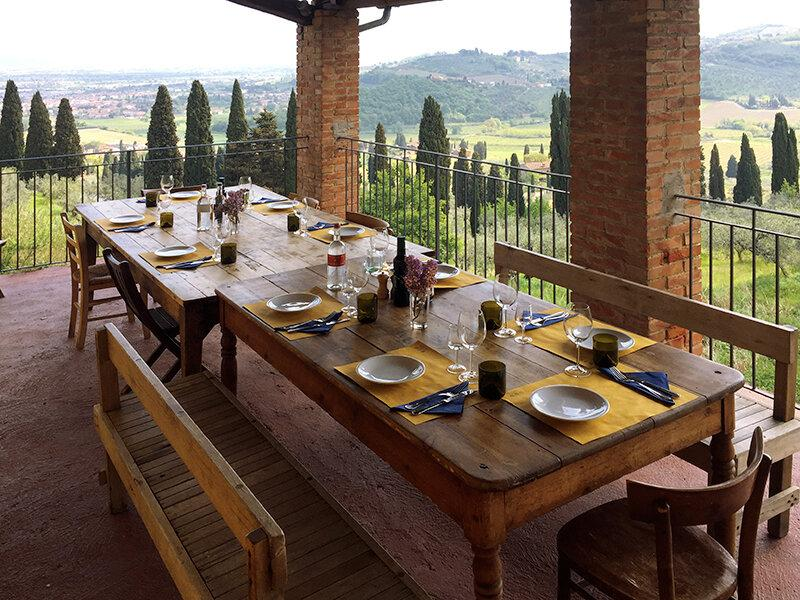
It was prepared by the family.
The olive oil came from trees just outside the dining room.
The vegetables had been picked that morning.
The wine in my glass had been growing only a few hundred yards away.
That evening taught me something no guidebook ever could.
An agriturismo isn't simply a place to stay.
It's one of the last places where visitors are invited into the everyday rhythm of rural Tuscany.
Agriturismo History
There is a different rhythm when you arrive at an agriturismo winery in Tuscany.
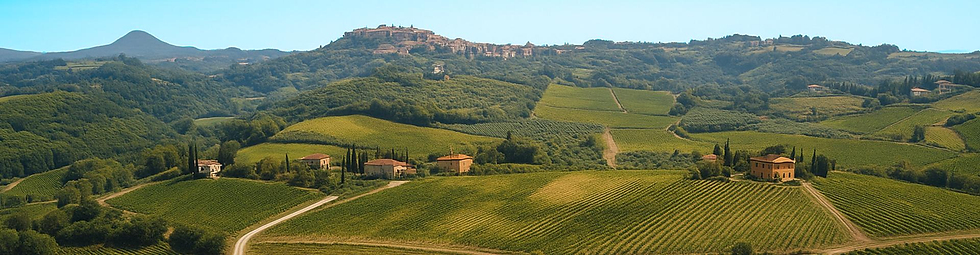
You are not simply pulling into a tasting room. You are entering a working farm, often owned by the same family for generations. The gravel road may pass olive trees, vineyards, vegetable gardens, a stone farmhouse, a swimming pool tucked behind cypress trees, and maybe a restaurant where dinner is made from what the farm grows.
Agriturismo became formally recognized in Italy with national legislation in 1985, created to support agriculture by allowing farms to welcome guests while keeping farming at the center of the business. Tuscany later built its own regional framework around agriturismo, educational farms, wine tourism, and olive-oil tourism.
Agriturismo San Gimigano Agriturismo San Gimigano
Why Agriturismo Became So Popular in Tuscany
Hotels are wonderful.
Historic city centers are exciting.
Luxury resorts certainly have their place.
Yet travelers returning to Tuscany again and again often discover that the memories they treasure most come from slowing down rather than seeing more.
Agriturismo allows exactly that.
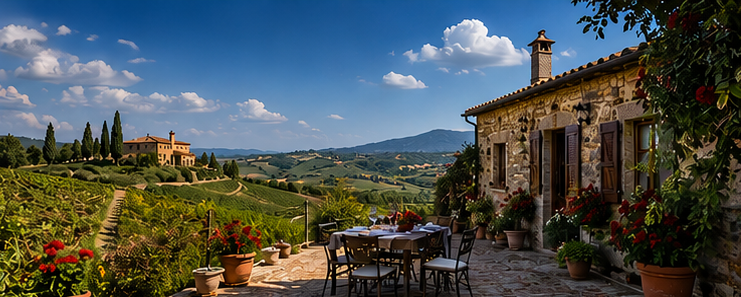
Instead of checking into another anonymous hotel room, you're welcomed onto a working farm where wine, olive oil, gardens, orchards, and family traditions remain part of daily life.
Morning begins with birds instead of traffic.
Breakfast might include homemade pastries, local honey, fresh fruit, farm eggs, and olive oil pressed only months earlier.
Afternoons are spent exploring nearby wineries and medieval villages before returning home—not to a hotel—but to your own quiet corner of Tuscany.
As evening arrives, conversations become longer.
Dinner arrives slower.
The sunset lasts just a little longer than you expected.
And somehow, the urge to check your phone quietly disappears.
The History of Agriturismo in Tuscany

After World War II, many rural farms throughout Italy struggled as younger generations moved toward cities and modern jobs. Agriturismo helped give old farmhouses a second life. Instead of abandoning the countryside, families could restore stone buildings, continue making wine and olive oil, and invite travelers into the daily life of the farm.
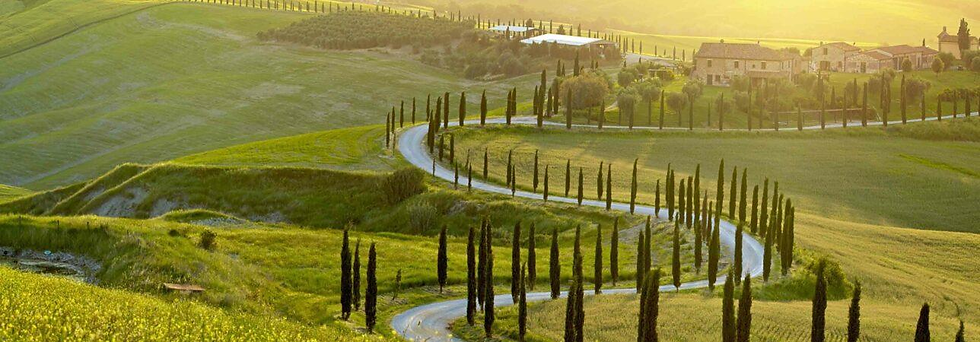
In Tuscany, this idea fit perfectly. The region already had the ingredients travelers dreamed about: vineyards, medieval towns, olive groves, cypress roads, farmhouse kitchens, and a culture built around food and wine. Official tourism sources still describe Tuscany’s countryside as one of the great reasons to choose a farm stay, especially in Chianti, Val d’Orcia, thermal areas, and rural villages.

What made agriturismo rise in popularity was not luxury alone. It was authenticity. Travelers wanted more than a hotel room. They wanted to wake up beside vineyards, eat breakfast with local honey and olive oil, meet the owners, taste wine where it was made, and feel like they had stepped into the quieter side of Tuscany.
What It Feels Like to Visit an Agriturismo Winery
More Than a Place to Sleep
One of the biggest surprises for many travelers is discovering that an agriturismo is not simply accommodations attached to a vineyard.
It's an experience.
Depending on the property, your stay might include:
Vineyard wine tastings
Estate-produced olive oil tastings
Homemade multi-course dinners
Cooking classes with family recipes passed down for generations
Fresh pasta made by hand
Infinity pools overlooking vineyards
Horseback riding through olive groves
Truffle hunting
Guided vineyard walks
Cellar tours with the winemaker
Family villas surrounded by cypress trees
Children's gardens and farm animals
Quiet evenings beneath some of the darkest skies in Tuscany
Many visitors arrive expecting a winery.
They leave feeling as though they briefly became part of an Italian family.
Visiting an agriturismo winery feels slower from the moment you arrive.
Instead of a polished commercial tasting counter, you may be welcomed by a family member, a winemaker, or someone who grew up on the property. The tasting may happen in a cellar, under a pergola, beside a garden, or on a terrace overlooking vineyards.

The experience often feels personal because the property is personal. The wine is not just a product. It is part of the family story. The olive oil may come from trees behind the house. The pasta may be made in the kitchen. The vegetables may come from the garden. At some places, the same family that checks you in may also pour your wine, cook your dinner, and explain how the vineyard has changed over the years.
Travelers often describe agriturismo stays with the same themes: vineyard views, olive groves, peaceful pools, generous breakfasts, family hospitality, and the feeling of having a home base for exploring hill towns.
The Nostalgia of Family Farms

Agriturismo wineries carry a kind of nostalgia that is hard to recreate in a normal hotel.
Many are restored farmhouses where grandparents once worked the land. Some families talk proudly about rebuilding old barns, saving abandoned homes, planting gardens, or keeping traditional food alive. One reviewed San Gimignano agriturismo, for example, describes gardens inspired by a grandmother’s mix of useful herbs, flowers, and vegetables, with the towers of San Gimignano rising in the distance.
That is the emotional heart of agriturismo: it connects travelers to a living countryside. You are not just looking at Tuscany. You are staying inside the story of it.
Why Agriturismo Wineries Are So Special for Wine Travelers
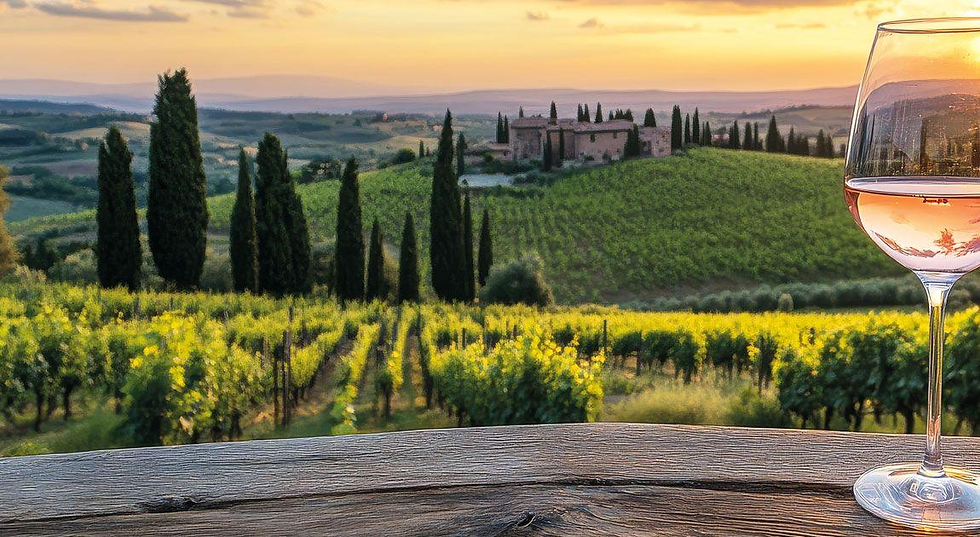
For wine lovers, agriturismo wineries offer several advantages:
You can Stay Where the Wine Is Made

Instead of driving from town to town every day, you can wake up on a wine estate. The vineyards are not a background decoration. They are part of daily life.
Tastings Feel More Personal
Many agriturismo wineries are smaller and family-run. Tastings can feel less rushed and more conversational.
Food and Wine Belong Together
Agriturismo meals often highlight local products: olive oil, cheese, vegetables, pasta, meats, honey, and the estate’s own wine. Tuscany’s official tourism site notes that farm stays may offer tastings of local prized products, horseback riding, educational farms, pools, and countryside activities.

It can Becomes a Base Camp
A good agriturismo gives you the peaceful countryside experience while still letting you drive to wineries, towns, restaurants, and viewpoints during the day.
Why Staying at an Agriturismo Is an Ideal Tuscany Base Camp
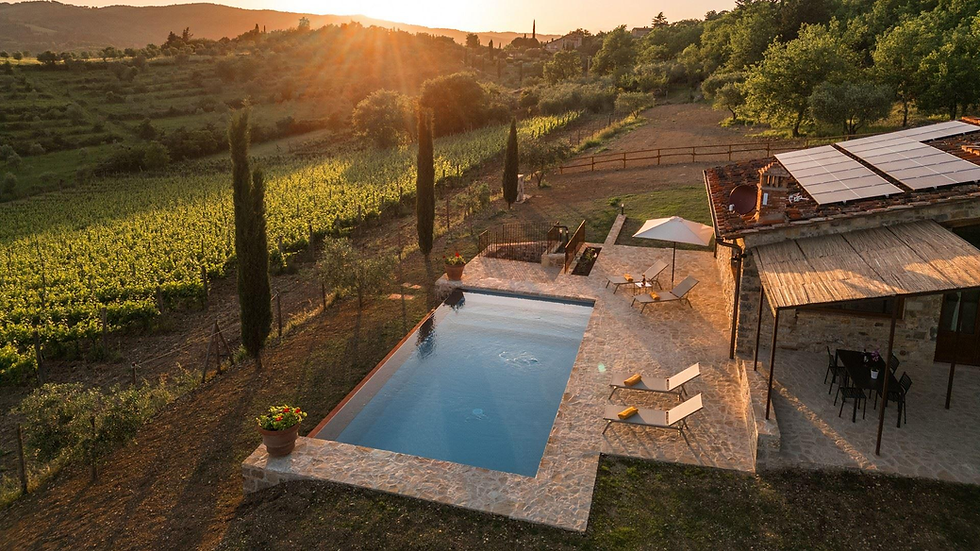
An agriturismo can be one of the best places to base yourself in Tuscany because it gives you the space of the countryside with access to the famous towns.
Depending on the region, you may find:
Villas and apartments with kitchens. Pools overlooking vineyards. On-site restaurants. Wine tastings and cellar tours. Cooking classes with a Nonna-style family cook. Horseback riding. Olive oil tastings. Truffle hunting. Garden-to-table meals. Play areas and animals for children. Quiet mornings and sunset views.
This is especially helpful for travelers who want to visit several wineries but do not want to change hotels every night. A farm stay near the center of a wine region lets you unpack once, settle in, and explore in loops.
What It Means to Slow Down in Tuscany

Agriturismo travel is not about checking off the most places in the shortest time.

It is about sitting longer at breakfast because the view is too good to leave. It is about hearing a rooster in the distance. It is about walking past vines before dinner. It is about children playing near the garden while adults finish a glass of wine. It is about talking with a family owner who remembers when the road was not paved, when the cellar was smaller, or when the property was restored stone by stone.
That pride is everywhere. The owners are not simply hosting guests. They are sharing their family name, their land, their food, and their wine.
Agriturismo by Region: The 6 Tuscany Wine Areas

Northern Chianti
Northern Chianti is ideal for travelers who want countryside charm with easier access to Florence. Agriturismo stays here often feel convenient but still rural, with vineyards, olive groves, and historic estates tucked between small roads and hill towns.
Northern Chianti has 5 Winery Agriturismos.
Best for: Apartments, Greve access, vineyard stays, couples and families.
We loved being close enough to Greve for dinner and shopping while still waking up surrounded by vineyards and olive trees. The apartments gave us room to settle in, and the quiet countryside made Viticcio feel like a true home base rather than an overnight stop. And the wine cellar is the best in Tuscany
Best for: Terrace lunches, family hospitality, panoramic views, wine pairings.
Lunch on the terrace overlooking the vineyards was exactly the kind of Tuscany experience I had imagined before the trip. The family made the tasting relaxed and conversational, and each wine felt more memorable because it was paired with the landscape and food around us.
Best for: Historic family estates, serious wine education, traditional Chianti Classico.
Enjoyed how naturally the family history was woven into the tasting without making the experience feel like a lecture. Touring the estate and cellar gave me a much clearer understanding of Chianti Classico, and the wines felt deeply connected to the property’s long history.
Best for: Small wineries, organic farming, personal tours, serious wine lovers.
This was exactly the kind of small winery visit we hoped to find in Panzano. Our guide made the experience personal and conversational, and we appreciated being able to ask detailed questions while tasting wines that are not always easy to find outside the estate.
Mid Chianti
Mid Chianti gives the classic postcard version of Tuscany: rolling hills, stone villages, cypress trees, and Chianti Classico wineries. Agriturismo stays here are excellent for travelers who want scenic drives, family-run wineries, and relaxed dinners after a day of tasting.
Mid Chianti has 7 Winery Agriturismos.
Best for: Couples, boutique luxury, intimate hospitality, food and wine pairings.
We felt less like a hotel guest and more like someone invited into a beautifully restored family home. The personal welcome, peaceful vineyard setting, carefully prepared dinner, and small-production wines made the entire visit feel intimate rather than commercial.
Best for: Vineyard scenery, relaxed stays, friendly tastings, traditional Tuscany.
The moment we arrived, the property felt like the Tuscany we had hoped to find—quiet vineyards, beautiful views, and a genuinely friendly welcome. The tasting was relaxed and informative, and we never felt rushed or pressured to purchase anything.
Best for: Quiet countryside, historic atmosphere, travelers seeking a lesser-known property.
What we enjoyed most was the peaceful, undiscovered feeling of the countryside and the sense that we had stepped away from Tuscany’s busier wine routes. The historic rural setting gave the visit a quiet authenticity that felt more personal than polished.
Best for: History, romantic stays, gardens, organic cuisine, cultural atmosphere.
Walking through the abbey and gardens felt more like entering a private piece of Tuscan history than checking into a hotel. The combination of old stone corridors, forested views, excellent food, and estate wine created an experience I could not have found in a conventional resort.
Southern Chianti
Southern Chianti feels more spread out and estate-driven. Many agriturismo wineries here have a deeper countryside feeling, with larger views, quieter roads, and easy access toward Siena.
Southern Chianti has 6 Winery Agriturismos.
Best for: Wine resort atmosphere, scenery, refined hospitality, couples.
Dievole felt like a complete wine-country retreat rather than simply a winery with rooms. The stone buildings, expansive vineyards, polished service, and peaceful grounds made it easy to settle in and treat the estate as a destination of its own.
Best for: Small winery enthusiasts, personal hosts, high-quality Chianti Classico.
The smaller scale made it possible to have a real conversation about the vineyards and the choices behind each wine. We left impressed not only by the quality in the glass but by the sense of care and personal commitment throughout the estate.
Best for: Kosher wine travelers, traditional cuisine, family hospitality, unique experiences.
The visit felt distinctive from the start because the family shared both their winemaking and the traditions behind the estate. The warm hospitality, beautiful countryside, and thoughtful food-and-wine experience made it memorable well beyond its importance as a kosher winery.
Best for: Romantic stays, quiet apartments, vineyard views, attentive hosts.
The views were even more beautiful than the photographs, and the peaceful location made every morning feel private and unhurried. Our host was thoughtful and accommodating throughout the stay, giving the property the warmth of a family home with the scenery of a postcard.
San Gimignano
San Gimignano agriturismos often combine vineyard stays with one of Tuscany’s most iconic skylines. This area is excellent for families because the town itself feels like a medieval storybook, and many countryside stays offer pools, gardens, restaurants, and easy driving distances.
San Gimignano has 11 Winery Agriturismos.
Best for: Couples, vineyard stays, intimate dinners, views of San Gimignano.
From the first welcome, I felt as though the owners genuinely wanted us to experience their home rather than simply occupy a room. The vineyard views, relaxed tasting, and dinner shared in the peaceful countryside made it difficult to leave for sightseeing the next morning.
Hint... these 2 are 100meter apart, has a Restaurant (Ristorante da Pode) in between them and you can "walk" the trail to San Gimignano
Best for: Modern comfort, restaurant dining, breakfast, couples and short stays near San Gimignano.
The property combined the vineyard setting I wanted with the comfort and polish of a modern boutique hotel. The staff was exceptionally warm, breakfast was one of the best of our trip, and being able to enjoy the estate’s wine and restaurant without driving made the stay wonderfully easy.
Best for: Families, farm-to-table meals, San Gimignano views, animals and authentic farm life.
Seeing San Gimignano’s towers across the fields while eating a family-style meal made this feel like a complete Tuscan farm experience. The animals, vineyards, home cooking, and relaxed hospitality gave the property an authenticity that would be especially memorable for families.
Best for: Family hospitality, Vernaccia, intimate tastings, organic wines.
The family’s warmth made this one of those visits where I quickly stopped feeling like a customer. Sitting down to taste Vernaccia while hearing stories about the vineyards gave the experience a personal quality that stayed with me long after we left.
Montalcino
Montalcino agriturismo wineries are ideal for Brunello lovers. The area feels more rural and intentional. Many wineries require planning, but the reward is a slower, more refined wine experience surrounded by wide views and serious vineyards.
Montalcino has 6 Winery Agriturismos.
Best for: Traditional Brunello, intimate family estates, knowledgeable wine enthusiasts.
Le Chiuse felt quiet, focused, and deeply connected to the traditional story of Brunello. we loved that the visit centered on the vineyard and the wine rather than elaborate tourism, and the intimate tasting gave me time to appreciate each vintage.
Best for: Brunello history, serious collectors, established winery tours.
The scale of the vineyards and cellar immediately showed me how important this estate is to the history of Brunello. The visit was polished and informative, but the wines remained the centerpiece, especially when tasting how the estate’s different bottlings developed in the glass.
Best for: Family interaction, smaller Brunello producers, intimate tastings.
We felt welcomed as soon as we arrived, and the tasting had the warmth of visiting a family farm rather than attending a formal presentation. Hearing the family explain their vineyards and wines made each glass feel personal, and the smaller scale was a refreshing contrast to Montalcino’s larger estates.
Best for: Traditional Brunello, vineyard views, wine-focused travelers.
The views over the southern Montalcino countryside were worth the drive before the tasting even began. We appreciated the traditional character of the wines and the way our host explained the land and aging process without making the experience feel overly technical.
Montepulciano
Montepulciano is one of the easiest areas for wine travelers who want a mix of countryside stays and walkable tasting options. An agriturismo nearby gives you quiet mornings on the farm with access to Vino Nobile wineries, hill towns, restaurants, and scenic Val d’Orcia drives.
Montepulciano has 2 Winery Agriturismos.
Best for: Estate history, Vino Nobile, peaceful countryside tastings.
The estate had an understated elegance that made the visit feel calm and refined from the beginning. I enjoyed learning about the family’s long connection to Montepulciano and tasting wines that balanced structure with an approachable, polished style.
Best for: Underground cellars, Montepulciano town visits, history and architecture.
Descending into the historic cellar beneath Montepulciano was one of the most memorable wine experiences in town. The cool stone passageways, enormous barrels, and well-explained tasting made the history of Vino Nobile feel tangible rather than abstract.
Fattoria Viticcio

Why Agriturismos Are Great for Children

Agriturismos can be wonderful for children because they give them room to breathe.
Instead of hotel hallways and crowded city streets, children get open space, gardens, pools, animals, walking paths, and a countryside setting that feels like an adventure. Family-focused agriturismos in Tuscany often highlight pools, cooking classes, games, outdoor areas, educational farm activities, and hands-on experiences.
For young children, Tuscany becomes more than churches, wine, and hill towns. It becomes a place where they can run through the grass, look for lizards on stone walls, help roll pasta, meet farm animals, or imagine themselves living in a farmhouse surrounded by vineyards.
For parents, that matters. A winery visit becomes easier when the stay itself gives children something to enjoy.
Activities and Experiences You'll Find at Agriturismo Wineries
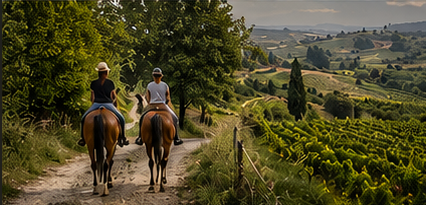
One of the biggest misconceptions about staying at an agriturismo is that it's simply a place to sleep after a day of wine tasting. While a comfortable room with vineyard views is certainly part of the experience, most agriturismi offer much more. In many ways, the property itself becomes one of the highlights of your trip.
After visiting wineries throughout Tuscany, we've found that some of my favorite memories happened when I wasn't driving between destinations. They happened on the farm itself.
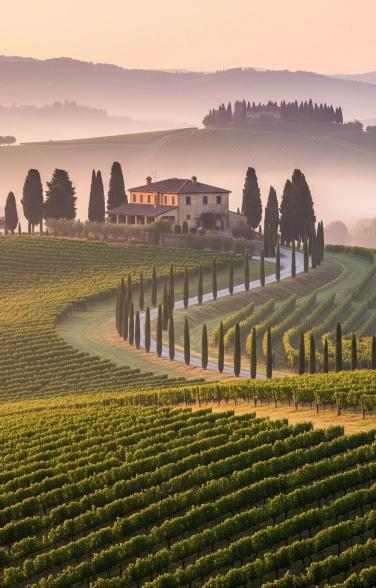
One morning might begin with a quiet walk through rows of Sangiovese vines still covered in dew. Another could start with freshly brewed Italian coffee enjoyed beneath a pergola overlooking olive groves. Rather than rushing to the next stop on the itinerary, an agriturismo encourages you to slow down and enjoy the surroundings.
Many winery agriturismi invite guests behind the scenes with guided vineyard walks where you'll learn how the grapes change through the seasons, why certain hillsides produce exceptional wines, and how generations of experience influence every harvest. Walking the vineyards with the people who farm them gives you an entirely different appreciation for the bottle you'll later enjoy with dinner.
Wine tastings naturally remain one of the most popular activities.
Olive oil experiences are equally memorable. Depending on the season, you may have the opportunity to tour olive groves, visit a traditional olive mill, or compare freshly pressed extra virgin olive oil with older harvests
Many agriturismi also offer experiences that have little to do with wine but everything to do with Tuscan life.

If relaxation is your goal, few places are more inviting than a vineyard-side swimming pool overlooking rolling hills. After a morning exploring nearby wineries, returning to the pool with a good book and a glass of local wine quickly becomes part of the daily routine.
Seasonal activities make each visit unique.
Whether you're an avid wine enthusiast, an outdoor adventurer, or someone simply looking to disconnect from everyday life, an agriturismo offers far more than accommodations. It offers an opportunity to experience Tuscany the way locals have lived for generations.
Vineyard Walks and Guided Winery Tours
The vineyards are often only a few steps from your room.
Cellar Tours and Private Wine Tastings
Many agriturismo wineries offer tastings and cellar tours directly on the property.
Olive Oil Tastings
Wine may receive most of the attention, but many Tuscan agriturismi are also working olive farms.
Horseback Riding Through the Countryside
Some agriturismi have their own horses or work with nearby riding centers to offer guided horseback rides through vineyards, olive groves, forests, and country lanes.
Truffle Hunting
In wooded areas of Tuscany, some agriturismi organize seasonal truffle hunts with local guides and trained dogs.
Harvest Experiences
Travelers visiting during the grape harvest may occasionally have the opportunity to see or participate in part of the process.
Bicycling and E-Bike Tours
Agriturismi are often surrounded by scenic roads that are perfect for cycling, although the hills can be more demanding than they first appear.
Swimming Pools and Quiet Afternoons
Not every memorable agriturismo activity needs to be organized.
Farm Animals and Educational Experiences
Family-oriented agriturismi may have goats, sheep, horses, chickens, rabbits, donkeys, or other farm animals.
Gardens, Orchards, and Farm Life
The quietest activities are often the ones that make an agriturismo feel most authentic.
Cooking Classes with Family Recipes
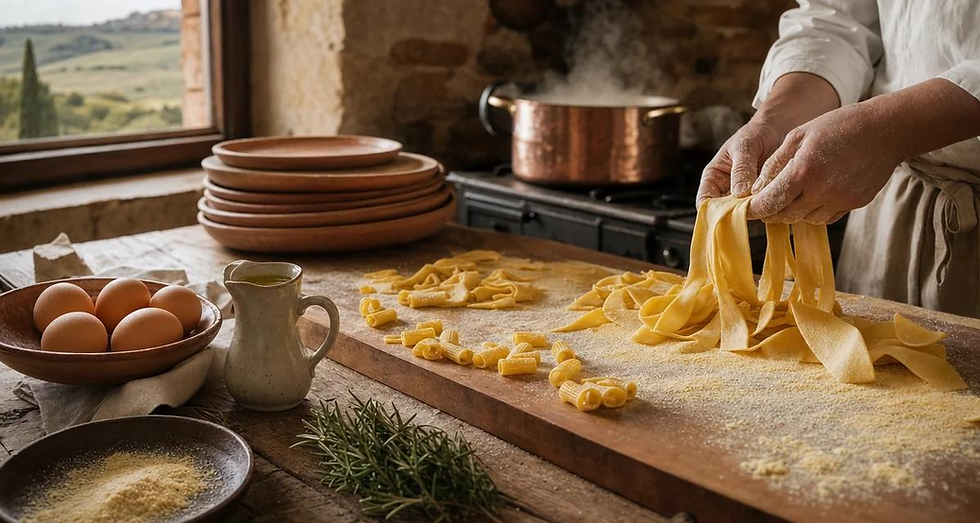
Cooking classes are among the most popular experiences offered by Tuscan agriturismi.

The Real Benefit of an Agriturismo Winery
The Tuscany We Almost Missed
Looking back over visits to more than 150 wineries, we've realized something surprising.
Some of my favorite memories weren't necessarily from the most famous wineries.
They came from simple conversations.
Watching grandparents proudly explain how the family restored an abandoned farmhouse.
Listening to stories about harvests that stretched back generations.
Sitting at our Villa drinking their wine, and not checking our phones...
These moments can't be scheduled.
They can't be purchased as an upgrade.
They're simply part of life at many agriturismo wineries throughout Tuscany.
Perhaps that's why so many travelers return home saying they didn't just visit Tuscany.
For a few unforgettable days...
They lived it.
The best part of an agriturismo winery is not just the wine, the pool, the villa, or the view.
It is the feeling that you have been invited into a piece of Tuscany that still belongs to the people who farm it.
You leave with more than tasting notes. You remember the gravel road. The smell of dinner. The family dog sleeping near the terrace. The owner pointing toward the vineyard with pride. The quiet after sunset. The simple feeling that, for a few days, Tuscany slowed down enough for you to truly see it.
That is why agriturismo wineries have become one of the most meaningful ways to experience Tuscany.


Comments