


Do You Need Reservations for Tuscany Wineries? A Guide to Walk-Ins, Tours, and Tastings


Can you simply drive up to a winery in Tuscany, walk through the doors, and enjoy a glass of wine overlooking the vineyards?
Absolutely! At some wineries, that's exactly how the experience works.
At others, you'll need reservations days or even weeks in advance.
After visiting more than 150 wineries throughout Tuscany, we've discovered that one of the biggest misconceptions about visiting Tuscany's wine country is that every winery requires a reservation.
That's simply not true.
Some of our most memorable winery experiences happened when we had absolutely nothing planned. We spotted a beautiful estate along a country road, pulled into the driveway, and discovered a wonderful family-owned winery.
Other unforgettable experiences required advance planning, particularly when we wanted a private cellar tour, an elaborate wine-pairing lunch, or a cooking class.
The secret to enjoying Tuscany's wineries isn't making reservations everywhere. It's knowing when to make them and when to leave room for discovery.
In our Tuscany Wineries Guide, we've researched 150 wineries across six wine regions, identifying which welcome walk-in visitors, which offer guided tours, and which provide experiences worth planning your day around.
Here's what we've learned.
Walk-In Wineries vs. Reservation-Only Wineries: What's the Difference?

Not all winery visits are the same.
Understanding the difference between a casual walk-in visit and a scheduled wine experience can completely change how you plan your Tuscany vacation.
Walk-In Wineries: The Freedom to Explore
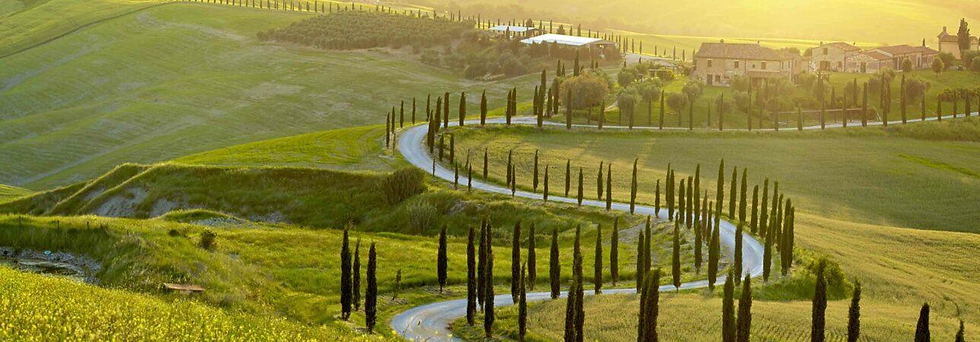
Imagine driving through the Tuscan countryside, passing endless rows of grapevines, ancient stone farmhouses, and cypress-lined roads.
You notice a beautiful winery perched on a hillside.
Instead of checking your watch or worrying about your next appointment, you simply turn down the driveway.
A few minutes later, you're standing on a terrace overlooking the vineyards, enjoying a glass of Chianti Classico.
That's the beauty of walk-in wineries.
Depending on the winery, a walk-in visit might include:
Sampling several wines at a tasting counter.
Purchasing a glass of wine to enjoy on the terrace.
Exploring the winery's shop or public grounds.
Meeting family members who operate the estate.
Purchasing bottles directly from the producer.
Enjoying spectacular views of the Tuscan countryside.
Some wineries offer informal tastings without reservations, while others welcome walk-ins only for wine purchases.
Important: A winery accepting walk-ins doesn't necessarily mean every experience is available without a reservation.
A guided cellar tour, seated tasting, or lunch might still require advance booking.
Even walk-in wineries can have seasonal hours, private events, or days when they're closed.
That's why we always recommend checking the winery's current visiting information before heading out.
Reservation-Only Wineries: Experiences Worth Planning
Some Tuscany wineries operate almost entirely by appointment.
This is particularly common among smaller producers, boutique wineries, and estates offering personalized experiences.
Rather than operating a tasting room throughout the day, these wineries arrange specific times for visitors.
And there's a good reason.
Winemaking is still an agricultural business.
The same person guiding your tasting might also be responsible for managing the vineyards, overseeing production, or preparing the next shipment of wine.
A reservation allows the winery to dedicate time specifically to you.
These visits often include:
Guided tours through vineyards and production facilities.
Visits to underground cellars and barrel-aging rooms.
Private or small-group wine tastings.
Discussions about the estate's history and winemaking traditions.
Vertical tastings comparing different vintages.
Wine-pairing lunches featuring traditional Tuscan cuisine.
Some experiences are particularly intimate, with a family member or winemaker personally guiding your visit.
These are often the moments when you discover that the story behind a bottle can be just as memorable as the wine itself.
Our recommendation: Reserve the experiences you absolutely don't want to miss, but don't fill every hour of your vacation with appointments.
Search all 150 wineries , for walk in's, all amenities, experience and types of tasting offered per winery HERE with 2026 pricing.
Which Tuscany Wine Regions Have the Most Walk-In Wineries?

One of the most useful things we discovered while researching our guide is that the availability of walk-in wineries varies significantly by region.
We divided Tuscany's wine country into six manageable regions, selecting 25 wineries in each area.
That gives travelers 150 wineries to explore without spending their entire vacation driving from one end of Tuscany to the other.
Our research makes it possible to compare the regions and choose where to spend your time.
Tuscany Winery Reservations: Regional Comparison
Tuscany Wine Region | Wineries in Our Guide | Walk-In Wineries | Walk-In Percentage |
Montepulciano | 25 | 19 | 76% |
San Gimignano | 25 | 13 | 52% |
North Chianti | 25 | 13 | 52% |
Mid Chianti | 25 | 12 | 48% |
South Chianti | 25 | 12 | 48% |
Montalcino | 25 | 6 | 24% |
These figures represent wineries selected for our guide, not every winery operating in each region. Walk-in policies may change, and some visits or experiences require reservations even at walk-in-friendly wineries.
The differences are important when planning your vacation.
For travelers who enjoy spontaneity, Montepulciano stands out as an excellent destination.
For those interested in structured tastings and exclusive experiences, Montalcino offers plenty of reasons to plan ahead.
Let's explore each region.
Montepulciano: One of the Best Regions for Walk-In Wine Tastings

19 of our 25 selected wineries welcome walk-in visitors.
That's an impressive 76%.
Of the six regions in our guide, Montepulciano has one of the strongest combinations of easy driving, closely grouped wineries, and flexible tasting opportunities.
And we love it for exactly those reasons.
Montepulciano is famous for Vino Nobile di Montepulciano, a distinguished red wine made primarily from Sangiovese grapes.
But beyond the wine, this region offers something especially appealing to independent travelers: freedom.
Our 25 selected wineries are located within a relatively compact area, making it easy to explore several estates without spending hours driving.
You can begin your morning at a winery with a scheduled tasting, enjoy lunch overlooking the vineyards, and still have time to discover another estate along the way.
Some of our favorite experiences in Montepulciano have involved simply exploring the countryside without a rigid itinerary.
The landscape is beautiful, the roads are generally manageable, and there always seems to be another vineyard just around the corner.
Our Montepulciano Recommendation
Book one special experience in advance, preferably a guided tour or wine-pairing lunch.
Then leave the rest of your day open.
With 19 walk-in wineries among our 25 selections, you have plenty of opportunities to explore without making multiple reservations.
Best for: Travelers who enjoy flexibility, spontaneous winery visits, and discovering smaller producers.

San Gimignano: Medieval Towers, Beautiful Vineyards, and Flexible Tastings

13 of our 25 selected wineries welcome walk-ins.
That's 52%.
San Gimignano is one of our favorite regions for exploring multiple wineries in a single day.
The countryside surrounding its famous medieval towers is filled with vineyards, olive groves, stone farmhouses, and family-owned estates.
And unlike some of Tuscany's more spread-out wine regions, the wineries in our guide are concentrated within approximately 14 kilometers.
That makes exploring remarkably convenient.
San Gimignano is best known for Vernaccia di San Gimignano, a crisp, refreshing white wine that offers a wonderful contrast to Tuscany's famous reds.
It's also a particularly enjoyable region for winery lunches.
Of our 25 selected wineries:
13 welcome walk-in visitors.
18 offer winery tours.
11 offer lunch tastings.
10 offer cooking classes.
This variety makes San Gimignano an excellent choice for combining scheduled experiences with spontaneous visits.
Our San Gimignano Recommendation
Reserve a winery lunch or cooking class in advance.
Then use the morning or afternoon to explore nearby walk-in wineries.
We particularly enjoy visiting wineries in the morning, before the busiest part of the day.
And yes, wine tasting at 10 a.m. is perfectly acceptable in Tuscany!
Best for: First-time visitors, couples, families, and travelers who want to combine wineries with medieval sightseeing.

North Chianti: Castles, Chianti Classico, and Beautiful Winery Experiences

13 of our 25 selected wineries welcome walk-ins.
That's 52%.
Northern Chianti offers a wonderful introduction to Tuscany's famous Chianti Classico wine region.
Located south of Florence, this area combines beautiful countryside, historic castles, traditional estates, and wineries offering everything from casual tastings to elaborate guided experiences.
Our selected wineries are concentrated within approximately 15.3 kilometers, or 9.5 miles.
Among our 25 wineries:
13 welcome walk-ins.
20 offer winery tours.
7 offer lunch tastings.
5 have castles.
4 offer cooking classes.
The combination of walk-in opportunities and organized tours makes Northern Chianti particularly appealing.
You might spend your morning exploring a centuries-old castle winery, enjoy a reserved lunch overlooking the vineyards, and stop at a smaller estate in the afternoon.
Our North Chianti Recommendation
If visiting one of the region's famous castle wineries, reserve a guided tour in advance.
For casual wine tasting, look for estates that specifically welcome walk-in visitors.
Best for: Visitors staying near Florence, castle lovers, and travelers interested in Chianti Classico.

Mid Chianti: Historic Villages, Family Wineries, and Experiences Worth Reserving

12 of our 25 selected wineries welcome walk-in visitors.
That's 48%.
Mid Chianti is one of those regions where the journey between wineries can be just as enjoyable as the wineries themselves.
The countryside around towns such as Castellina in Chianti and Radda in Chianti offers winding roads, beautiful vineyards, and historic villages.
Some estates provide casual tasting opportunities, while others focus on scheduled experiences.
This is particularly important when visiting smaller family-owned wineries.
A tasting might be conducted by someone directly involved in the winemaking process, making advance arrangements worthwhile.
We've found that these personal experiences can become some of the most memorable parts of a Tuscany vacation.
Rather than rushing through a tasting, you have time to hear the stories behind the estate, learn about its wines, and appreciate the traditions that have shaped the region.
Our Mid Chianti Recommendation
Plan around one winery you particularly want to experience.
If that winery offers a guided tour, reserve it.
Then identify nearby walk-in options using our winery guide.
Best for: Travelers who enjoy smaller producers, intimate tastings, and exploring historic Chianti villages.

South Chianti: Spectacular Castles and Memorable Wine Experiences

12 of our 25 selected wineries welcome walk-in visitors.
That's 48%.
Southern Chianti offers some of the most dramatic winery settings in Tuscany.
This region is filled with medieval castles, impressive estates, rolling vineyards, and historic properties that seem to belong in a travel magazine.
Many visitors come here not simply to taste wine, but to experience the history and beauty of the estates.
And that's exactly why reservations can be important.
Some castle wineries offer organized tours through historic cellars, courtyards, and production facilities.
Others provide wine-pairing lunches or more elaborate experiences that require advance planning.
We've visited wineries where the architecture and views alone made the stop worthwhile.
Standing in a centuries-old courtyard, looking across the Tuscan hills, can be just as memorable as tasting the wine.
Our South Chianti Recommendation
Choose a castle winery as your main experience of the day.
Reserve a guided tour if you want to explore the historic interiors and cellars.
Then leave time for scenic drives, photography, and other wineries that welcome casual visitors.
Best for: Castle enthusiasts, photographers, history lovers, and travelers seeking memorable winery settings.

Montalcino: Why Winery Reservations Are Especially Important

6 of our 25 selected wineries welcome walk-in visitors.
That's 24%.
Montalcino is home to Brunello di Montalcino, one of Italy's most celebrated red wines.
And when it comes to winery visits, this region deserves a little more planning.
Among our 25 selected wineries, most operate primarily through reservations for organized visits.
Unlike Montepulciano, where spontaneous wine tasting is relatively easy, Montalcino is a region where we recommend identifying your preferred wineries before leaving your accommodation.
Many Brunello producers focus on guided tastings, cellar tours, and personalized experiences.
These visits often provide fascinating insights into the production and aging of Brunello.
And because Brunello requires extensive aging before release, visiting the cellars can be particularly interesting.
Seeing the enormous wooden barrels and learning how the wine develops over time adds another dimension to the experience.
But Montalcino isn't only about wine.
The surrounding countryside is extraordinary.
Some of our favorite memories involve simply driving through the vineyards, stopping for photographs, and admiring the views across the Val d'Orcia.
Our Montalcino Recommendation
Reserve your primary winery visit in advance.
If you want a guided Brunello tasting or lunch experience, arrange it before your trip, particularly during popular travel periods.
Then allow time to explore the countryside and the historic town of Montalcino.
Best for: Brunello enthusiasts, serious wine lovers, and travelers seeking personalized tasting experiences.

Do You Need Reservations Just to Visit a Winery Without Tasting Wine?
Here's something many travelers overlook.
Visiting a winery doesn't always have to involve a formal wine tasting.
We've visited more than a dozen wineries in a single day.
But that certainly doesn't mean we participated in a dozen guided tastings!
Sometimes we stopped simply because the winery was beautiful.
Other times we wanted to photograph a castle, explore a wine shop, enjoy the countryside, or purchase a bottle of wine.
And occasionally, we just wanted to sit on a terrace with a glass of wine and appreciate where we were.
Tuscany's wineries are destinations in themselves.
However, not every estate permits casual visitors.
Some are working farms or private properties with restricted access.
A reservation-only winery may not allow visitors to enter the grounds without an appointment.
Always respect posted signs, gates, and private areas.
For wineries that welcome walk-ins, a casual visit can be one of the most enjoyable ways to experience Tuscany.
Our advice: Don't assume you need a two-hour tasting to enjoy a winery. But don't assume every winery is open for sightseeing, either.
Which Winery Experiences Should You Always Reserve?

While casual wine tasting can sometimes be spontaneous, certain winery experiences are worth reserving.
Guided Winery and Cellar Tours
If you're interested in how wine is produced, a guided winery tour can be fascinating.
You'll often visit production facilities, fermentation tanks, barrel-aging rooms, and sometimes the vineyards themselves.
Because these tours require staff and coordination, reservations are usually recommended or required.
Wine-Pairing Lunches
One of our favorite Tuscany experiences is a long winery lunch overlooking the vineyards.
Imagine sitting beneath a shaded terrace, enjoying handmade pasta, local cheeses, cured meats, and several wines selected to complement each course.
These meals are often among the highlights of our travels.
But wineries need to prepare the food, arrange seating, and coordinate the tasting.
Reserve winery lunches in advance whenever possible.
Cooking Classes
Tuscan cooking classes are another experience we highly recommend.
Learning to make fresh pasta, traditional sauces, or regional dishes with a local cook adds an entirely different dimension to visiting wine country.
Some classes are held in beautiful farmhouse kitchens or historic estates.
These experiences often have limited availability and should be booked ahead.

Private Tastings and Special Wine Experiences
If you want to taste older vintages, meet a winemaker, or arrange a private tour, reservations are essential.
These experiences are generally organized around your specific interests.
Castle Tours
Some castle wineries allow visitors to enter their wine shops or tasting areas without reservations.
However, access to historic rooms, underground cellars, or private sections of the estate may require a guided tour.
If exploring the castle is important to you, book ahead.

How Far in Advance Should You Book Tuscany Winery Reservations?

The answer depends on the experience, the winery, and the time of year.
As a general planning guideline, we recommend:
Winery Experience | Suggested Booking Time |
Casual walk-in tasting | No reservation where permitted |
Standard guided tasting | Several days to 1 week |
Popular winery tours | 1–2 weeks |
Winery lunch tasting | 1–3 weeks |
Cooking classes | 2–4 weeks |
Private or exclusive experiences | 2–4 weeks or longer |
Famous wineries during peak season | As early as practical |
These are our suggested planning windows, not guaranteed availability or universal winery requirements.
Popular estates and special experiences can fill much earlier.
For example, some Chianti wineries explicitly require reservations for all tastings, while others permit walk-in counter tastings but recommend booking cellar tours and lunches.
The difference is why researching each winery individually matters.
Does the Time of Year Affect Winery Reservations?

Absolutely.
Tuscany changes throughout the seasons, and winery availability changes with it.
Spring: April and May
Spring is one of our favorite times to visit Tuscany.
The countryside is green, the temperatures are generally comfortable, and the vineyards are beginning their growing season.
Late April and early May can be particularly beautiful.
While spring may offer more flexibility than the busiest travel periods, popular winery experiences still benefit from reservations.
Summer: June Through August
Summer brings longer days, beautiful vineyard views, and plenty of visitors.
This is when reservations become especially important for popular wineries, lunches, and cooking classes.
If there's a particular experience you don't want to miss, book it early.
Autumn: September and October
Autumn is another favorite time to visit.
The grape harvest, known as vendemmia, brings a special atmosphere to Tuscany.
But remember that wineries are working businesses.
During harvest, staff may be busy picking grapes, managing fermentation, and overseeing production.
Some wineries offer special harvest experiences, while others limit their regular visiting schedules.
We particularly enjoy late September and early October, but this is a time when confirming reservations is especially important.
Winter: November Through March
Winter can offer a quieter, more intimate Tuscany experience.
However, some wineries reduce their opening hours or operate entirely by appointment.
Never assume a winery is open simply because its website lists tastings.
Contact the estate before visiting.
Our Favorite Strategy: Book an Anchor Winery and Leave Room for Discovery

After visiting more than 150 wineries, we've developed a strategy that combines the best of both worlds.
We call it our Anchor and End Winery Strategy.
Rather than filling the entire day with scheduled tastings, we build the day around one or two experiences we really want.
Everything else remains flexible.
9:30 AM — Your Anchor Winery
Yes, we often begin visiting wineries in the morning.
And there's something wonderful about arriving at a Tuscan estate before the day becomes busy.
We recommend making your first winery visit a scheduled experience.
Perhaps it's a guided cellar tour, a private tasting, or a visit to a beautiful castle.
Starting with a reservation gives your day structure without controlling every minute.
11:30 AM — Explore a Walk-In Winery
After your first visit, take a scenic drive through the countryside.
If you discover a nearby winery that welcomes walk-ins, stop and explore.
Maybe you'll enjoy a casual tasting.
Maybe you'll purchase a bottle of wine.
Or perhaps you'll simply appreciate the views.
The point is that you have options.
1:00 PM — A Winery Lunch
A traditional Tuscan lunch deserves time.
We love finding wineries where lunch is part of the experience.
Fresh pasta, local olive oil, regional cheeses, and wines produced just beyond the terrace make for a wonderful afternoon.
If lunch is important to your itinerary, reserve it in advance.
3:30 PM — Your End Winery
For our final winery, we often choose somewhere with spectacular views or a particularly memorable setting.
Sometimes it's a reservation.
Other times it's a casual stop at a winery that welcomes walk-ins.
And occasionally, we skip the tasting altogether and simply enjoy the scenery.
The beauty of this approach is that your day has direction without becoming a schedule you constantly have to follow.
You can experience two or three wonderful wineries without feeling rushed.
Can You Visit Multiple Tuscany Wineries Without Reservations?
Yes, especially if you choose the right region.
One of the biggest advantages of our six-region approach is that we've selected wineries within relatively compact geographical areas.
Instead of driving an hour between estates, you can spend more time enjoying the wineries themselves.
Montepulciano is particularly well suited to this approach, with 19 of our 25 selected wineries welcoming walk-ins.
San Gimignano and North Chianti also provide excellent opportunities, with 13 walk-in wineries each.
However, we recommend choosing one region per day.
Trying to visit wineries in Montepulciano, Montalcino, and Chianti on the same day can quickly turn a relaxing vacation into a driving marathon.
Our philosophy is simple: Spend more time at wineries and less time getting to them.
And remember, just because you can visit six wineries doesn't mean you need six tastings.
Sometimes the best stops are the shortest ones.
What Happens if You Arrive at a Winery Without a Reservation?
It depends entirely on the winery.
At a walk-in-friendly estate, you might be welcomed immediately.
At another, staff may offer a tasting if space is available.
Some wineries may suggest returning later.
And at reservation-only estates, you may be politely turned away.
We never recommend assuming a winery can accommodate an unexpected visit.
A quick phone call can save considerable time, particularly when traveling along Tuscany's smaller country roads.
If you're visiting a family-owned winery, remember that the person responsible for tastings may also be working in the vineyards or cellar.
A little courtesy goes a long way.
Can You Make Same-Day Winery Reservations in Tuscany?
Sometimes.
Smaller wineries may have last-minute availability, particularly outside the busiest periods.
Other estates operate fixed tours or require advance notice.
If your plans change, it's worth calling or checking the winery's official booking system.
We recommend keeping several alternative wineries in mind.
That's one of the advantages of having 25 wineries to choose from within a single region.
If your first choice isn't available, another memorable experience may be only a short drive away.
Do You Need a Car to Visit Tuscany Wineries?
For independent winery exploration, we strongly recommend renting a car.
Many of Tuscany's most beautiful wineries are located along rural roads, far from train stations and regular public transportation.
Having a car gives you the freedom to visit wineries at your own pace, explore small villages, and discover viewpoints that organized tours often miss.
It's particularly useful when combining scheduled winery visits with walk-in opportunities.
However, never drink and drive.
If everyone in your group plans to taste wine, arrange a designated driver, hire a private driver, or join an organized tour.
A rental car is wonderful for exploring Tuscany, but it should never become a reason to compromise safety.

How to Find Tuscany Wineries That Don't Require Reservations
This is one of the main reasons we created the Tuscany Wineries Guide.
When we began exploring Tuscany's wine country, we discovered how difficult it could be to find practical information about visiting wineries.
Beautiful winery websites often showcased vineyards, historic estates, and award-winning wines.
But finding answers to simple questions wasn't always easy.
Could we visit without a reservation?
Did the winery offer lunch?
Was there a restaurant?
Could we stay overnight?
Did they offer cooking classes?
Was it a castle?
Rather than spending hours researching individual websites, we wanted to bring that information together in one place.
Our guide features 150 carefully selected wineries across six Tuscany wine regions.
Visitors can narrow their choices by region and amenities, including:
Walk-in wineries.
Winery tours.
Lunch tastings.
Restaurants.
Cooking classes.
Castles.
Agriturismos.
Accommodations.
Instead of planning your trip around wineries that may not offer the experiences you want, you can begin by finding the wineries that fit your travel style.
And because our selected wineries are grouped geographically, you can plan more enjoyable days with less driving.
Explore the complete winery guide at Tuscany150WineriesGuide.com.

Our Tuscany Wineries Guide makes it easier to find wineries that match your interests.
Discover walk-in wineries, guided tours, winery lunches, castles, cooking classes, accommodations, and more across six beautiful wine regions.

Frequently Asked Questions About Tuscany Winery Reservations
Can you visit Tuscany wineries without reservations?
Yes. Many Tuscany wineries welcome walk-in visitors, particularly for casual tastings or wine purchases. However, others require reservations for all visits. Always confirm the winery's current policy.
Do all Chianti wineries require reservations?
No. Some Chianti wineries welcome walk-ins, while others operate by appointment. In our guide, 13 of the 25 selected North Chianti wineries accept walk-in visitors.
Can you walk into wineries in Montepulciano?
Yes. Montepulciano is one of the most walk-in-friendly regions in our guide. Of our 25 selected wineries, 19 welcome walk-in visitors.
Do you need reservations for Brunello wineries in Montalcino?
Reservations are strongly recommended. Most of our selected Montalcino wineries operate primarily through scheduled experiences, particularly for guided tours and tastings.
Can you visit a winery just to buy wine?
Often, yes. Some wineries operate wine shops that welcome visitors without reservations. Others require appointments even for purchases. Check before arriving.
Do you need reservations for winery lunches in Tuscany?
Usually, yes. Winery lunches often involve prepared meals, limited seating, and coordinated wine pairings. Booking ahead is strongly recommended.
Can you visit Tuscany wineries with children?
Yes. Many wineries welcome families, and some offer activities such as cooking classes, outdoor spaces, and farm experiences. Always confirm the winery's child policy when booking.
What is the best time of day to visit Tuscany wineries?
We enjoy beginning winery visits in the morning, often around 9:30 or 10:00 a.m., when appointments are available. Morning tours can leave the rest of the day free for lunch, sightseeing, and spontaneous winery visits.
How many wineries should you visit in one day?
For most travelers, two or three wineries make an enjoyable day. We've visited more than a dozen in a single day, but those were not all formal tastings. The ideal number depends on how much time you want to spend at each estate.
Is it rude to visit a winery without a reservation?
Not if the winery welcomes walk-ins. However, arriving unannounced at a reservation-only estate can be disruptive. Respect each winery's visiting policies and contact them when in doubt.
Final Thoughts: The Best Tuscany Winery Experiences Balance Planning With Spontaneity

After exploring more than 150 wineries, we've learned that there's no single right way to experience Tuscany's wine country.
Some travelers love carefully planned itineraries filled with guided tastings, cellar tours, and winery lunches.
Others prefer to rent a car, follow the winding country roads, and discover beautiful estates along the way.
We enjoy both.
Some of our most memorable experiences were planned weeks in advance.
Others happened because we spotted a castle in the distance or followed a road through the vineyards simply to see where it led.
And that's part of what makes Tuscany so special.
You don't need reservations at every winery. You need reservations for the experiences that matter most to you.
Book the winery lunch you've been dreaming about.
Reserve that special Brunello tasting.
Arrange a tour of the castle you've always wanted to visit.
Then leave some time for the unexpected.
Because sometimes, the winery you never planned to visit becomes the one you remember most.
Explore 150 Tuscany Wineries Without the Guesswork
Our Tuscany Wineries Guide makes it easier to find wineries that match your interests.
Discover walk-in wineries, guided tours, winery lunches, castles, cooking classes, accommodations, and more across six beautiful wine regions.
Spend less time researching and more time experiencing Tuscany.
Visit Tuscany150WineriesGuide.com.

Every journey through Tuscany begins with a single glass.


Comments