


How Many Wineries Can You Visit in One Day in Tuscany? Our Guide to Planning the Perfect Winery Day


Can you visit three wineries in one day in Tuscany? Four? Five? What about more than a dozen?
We've done all of them.
After exploring more than 150 wineries throughout Tuscany, we've learned that the number of wineries you can visit in a day depends on one important question:
Are you visiting Tuscany to taste wine, or are you visiting wineries to experience Tuscany?
Because those are two very different adventures.
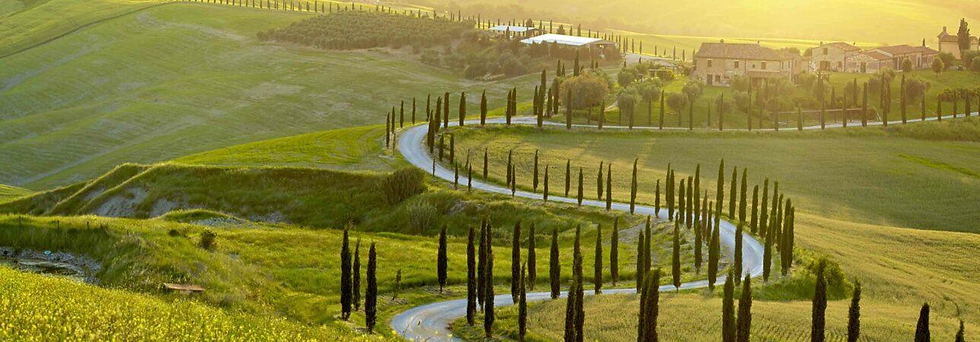
Some of our favorite winery visits didn't involve a single glass of wine. Instead, we wandered through centuries-old castles, admired breathtaking vineyard views, explored beautiful estates, photographed cypress-lined roads, or simply enjoyed the peaceful surroundings.
Other days were built around unforgettable wine tastings, leisurely lunches overlooking the vineyards, and conversations with winemakers whose families have been producing wine for generations.
We've even visited more than a dozen wineries in a single day. No, we didn't drink wine at every stop! Sometimes, exploring the beauty and character of the wineries themselves is just as rewarding.
So, how many wineries should you plan to visit?
For most travelers, we recommend two reserved winery experiences, a leisurely lunch, and one or two spontaneous walk-in visits.
But there's much more to creating the perfect day in Tuscany.
How Many Tuscany Wineries Can You Realistically Visit in One Day?

The answer depends on how you want to experience them.
A traditional guided winery tour and tasting can take anywhere from 60 minutes to two hours. Add driving time, lunch, photographs, and the occasional unexpected discovery, and the day fills up surprisingly quickly.
However, not every winery visit requires a formal tour or tasting.
Here's how we generally approach planning a day.
Winery visits | What your day looks like | Our recommendation |
1 winery | A relaxed tour, tasting, lunch, and sightseeing | Perfect for a leisurely day |
2 wineries | Two memorable experiences with time to explore | Ideal for most visitors |
3 wineries | Two reserved experiences and one casual walk-in | Our favorite balance |
4 wineries | Two reserved tastings and two shorter visits | Enjoyable with careful planning |
5–6 wineries | Mostly quick stops, walk-ins, and sightseeing | Best for enthusiastic explorers |
7–12+ wineries | Primarily exploring estates, views, and winery locations | Possible, but not a traditional tasting day |
The key is understanding that four winery visits don't necessarily mean four wine tastings.
And that's where planning makes all the difference.
Why Staying Within One Tuscany Wine Region Makes All the Difference

One of the biggest mistakes visitors make is trying to cover too much of Tuscany in a single day.
It's easy to look at a map and think that visiting a winery in Chianti, having lunch in San Gimignano, and finishing with a Brunello tasting in Montalcino sounds like a wonderful adventure.
And it certainly could be.
But you'll spend a significant portion of your day driving rather than enjoying the wineries.
Our Six-Region Approach to Exploring Tuscany
When creating our Tuscany Wineries – A Curated Wine Travel Guide, we divided 150 wineries into six distinct wine regions:
Northern Chianti
Mid Chianti
Southern Chianti
San Gimignano
Montalcino
Montepulciano
We selected 25 wineries in each region, generally keeping them clustered within approximately 10 miles (16 kilometers).
That's one of the biggest advantages of using our guide to plan your winery visits.
Instead of spending an hour driving between wineries, you can often travel between nearby estates in 10–20 minutes.
Of course, Tuscany's winding country roads, gravel driveways, and hilltop estates can make even short distances take longer than expected.
But staying within one region makes it considerably easier to enjoy several wineries without feeling rushed.
Why We Love Exploring One Region at a Time
Imagine spending the morning exploring the vineyards around San Gimignano.
You visit a family winery for a guided tasting, stop at another estate because the views are irresistible, enjoy lunch overlooking the countryside, and finish the afternoon with a casual glass of Vernaccia.
You might even have time to wander through San Gimignano's medieval streets before dinner.
Compare that with spending several hours driving between distant wine regions.
Both can be beautiful experiences, but we know which one we'd choose.
Our advice: Choose one wine region for the day, then build your itinerary around the wineries and experiences you most want to enjoy.
Our Favorite Way to Plan a Winery Day: The "Anchor and End" Strategy

After visiting more than 150 wineries, we discovered something interesting.
Our most memorable days weren't necessarily the ones where we scheduled the greatest number of guided tours.
They were the days built around two exceptional experiences, with enough flexibility to discover something unexpected along the way.
We call this our "Anchor and End" Winery Strategy.
The idea is simple.
Book one special winery experience in the morning and another later in the afternoon.
These become your two anchors.
Everything between them is flexible.
9:30 AM – Start with a Morning Winery Tour
Yes, we're suggesting wine tasting in the morning!
You're in Tuscany.
And while 9:30 AM might seem early for wine, it's a wonderful time to experience a winery.
The vineyards are often especially beautiful in the morning light, temperatures are more comfortable during warmer months, and you have the rest of the day ahead of you.
We love starting with a winery that offers a guided tour.
Walk through the cellars, learn about the estate's history, discover how its wines are produced, and finish with a tasting.
Allow approximately 90 minutes to two hours.
Not every winery offers morning tours, so check availability and reserve ahead.
11:30 AM – Explore a Walk-In Winery
This is where the fun begins.
Perhaps you noticed a beautiful estate while driving to your first tasting.
Or maybe there's a castle winery nearby that you've always wanted to see.
Stop in!
If the winery welcomes walk-in visitors, you might enjoy a quick tasting, browse its wine shop, or simply admire the property where visitor access is permitted.
You don't need to spend two hours at every winery.
Sometimes 20–30 minutes is enough to create a wonderful memory.
12:30 PM – Enjoy a Long Tuscan Lunch
One of the greatest pleasures of Tuscany is lunch.
And we're not talking about grabbing a sandwich while driving to the next winery.
We're talking about sitting beneath a shaded terrace overlooking the vineyards, enjoying fresh pasta, local cheeses, cured meats, and perhaps a perfectly prepared Bistecca alla Fiorentina.
Many wineries offer lunch tastings, where regional dishes are paired with their wines.
Others have restaurants overlooking the countryside.
You can also visit a nearby village and discover a family-run trattoria.
Allow at least 90 minutes, preferably two hours.
Don't rush lunch in Tuscany. It's part of the experience.
2:30 PM – Discover Another Winery or Explore a Tuscan Town
This is your flexible time.
Perhaps you'd like to visit another walk-in winery.
Maybe you'd rather explore a medieval village, photograph the countryside, or relax with an espresso in a beautiful piazza.
We love leaving this part of the day open.
Some of our favorite discoveries happened simply because we saw a winery sign, turned down a quiet gravel road, and decided to explore.
Just remember that some wineries close during the afternoon or operate by appointment only.
4:00 PM – Finish with Your Second Reserved Winery Experience
Your second anchor is an afternoon winery experience.
We particularly enjoy finishing the day somewhere special.
Perhaps it's a historic castle, a family estate with incredible views, or a winery known for exceptional Brunello, Chianti Classico, or Vino Nobile di Montepulciano.
By late afternoon, the light begins to soften over the vineyards.
It's a beautiful time to relax and enjoy your final tasting.
Allow another 60–90 minutes, or longer for an extensive guided experience.
7:00 PM – Dinner and a Beautiful Tuscan Evening
After returning to your accommodations and enjoying some downtime, finish the day with dinner.
A small village restaurant, a countryside trattoria, or dinner at your agriturismo can be the perfect ending.
And here's something we've learned.
Sometimes the best part of a winery day isn't the wine. It's sitting at dinner, remembering everything you experienced along the way.
Our suggested times are illustrative rather than fixed. Winery opening hours, lunch service, seasonal schedules, and tasting availability will determine your actual itinerary.

A Relaxed One-Winery Day: Sometimes Less Really Is More

Not every day in Tuscany needs to revolve around visiting multiple wineries.
In fact, some of our favorite days involved one exceptional winery and plenty of time to enjoy everything around it.
Sample One-Winery Itinerary
Time | Activity |
9:00 AM | Relaxed breakfast at your accommodations |
10:00 AM | Explore a nearby Tuscan town |
12:30 PM | Lunch at a countryside restaurant |
2:30 PM | Guided winery tour and tasting |
4:30 PM | Enjoy vineyard views and photographs |
6:00 PM | Return to your accommodations |
7:30 PM | Dinner |
Best for: Couples seeking a romantic day, families traveling with children, first-time Tuscany visitors, or anyone who enjoys a slower pace.
A one-winery day also works beautifully when your chosen winery offers additional experiences.
You might spend several hours enjoying a cooking class, truffle hunt, vineyard walk, or wine-pairing lunch.
There's no reason to rush somewhere else when you're already having a wonderful time.
A Two-Winery Day: The Perfect Balance of Wine and Tuscany

For many visitors, two wineries provide the ideal combination of wine education, beautiful scenery, and relaxation.
We recommend selecting two wineries that offer different experiences.
For example, you might begin with a historic castle winery and finish at a smaller, family-owned estate.
Or perhaps you start with a traditional Chianti Classico producer and end with a winery producing Super Tuscan wines.
The contrast makes the day more interesting.
Sample Two-Winery Itinerary
Time | Activity |
9:30 AM | Drive to your first winery |
10:00 AM | Guided winery tour and tasting |
11:30 AM | Explore the estate and take photographs |
12:30 PM | Lunch at a winery or local restaurant |
2:30 PM | Visit a nearby village or scenic location |
4:00 PM | Second winery tasting |
5:30 PM | Return to your accommodations |
7:30 PM | Dinner |
Estimated driving: Approximately 30–60 minutes between local stops throughout the day, excluding travel to and from your accommodations.
Best for: First-time wine travelers, couples, and visitors who want a combination of wine, sightseeing, and relaxation.
This is also a wonderful itinerary for travelers who prefer longer, more personal tastings.
A Three-Winery Day: Our Favorite Way to Explore Tuscany

If we had to choose one itinerary for most travelers, this would be it.
Three wineries offer enough variety to experience different estates without making the day feel like a race.
The secret?
Don't schedule three full guided tours.
Instead, choose two wineries for reserved experiences and make your third visit a casual walk-in.
Sample Three-Winery Itinerary
Time | Activity |
9:30 AM | First reserved winery tour and tasting |
11:15 AM | Drive to a nearby walk-in winery |
11:30 AM | Casual tasting or explore the estate |
12:30 PM | Leisurely Tuscan lunch |
2:30 PM | Explore a town or enjoy scenic stops |
4:00 PM | Second reserved winery experience |
5:30 PM | Return to accommodations |
7:30 PM | Dinner |
Estimated driving: Approximately 30–75 minutes between winery and lunch stops, depending on the region and route.
Best for: Travelers who want to experience several wineries, compare wines, and still enjoy the countryside.
We particularly enjoy this approach in compact areas such as San Gimignano and Montepulciano, where many wineries are located relatively close together.
The morning tasting provides an introduction to the region.
The walk-in visit offers spontaneity.
And the afternoon tasting becomes a memorable way to finish the day.
It's a wonderful balance.
Why Four Winery Tastings Can Quickly Become Too Much

We love visiting wineries.
But there's a difference between visiting four wineries and participating in four full wine tastings.
Let's look at the numbers.
Four guided tours and tastings, averaging 90 minutes each, consume six hours.
Add:
Three winery-to-winery drives of 15–20 minutes each
Two hours for lunch
Time for photographs, parking, and checking in
Travel from your accommodations and back
Suddenly, your day can easily stretch beyond nine hours.
And that's assuming everything runs perfectly.
The Problem with Too Many Guided Tours
Most traditional winery tours follow a similar format.
You'll learn about the estate's history, walk through the vineyards or cellar, hear about fermentation and aging, and finish with a guided tasting.
Every winery has a unique story, and we genuinely enjoy hearing them.
But after the third or fourth detailed explanation of Sangiovese fermentation, oak barrels, and wine production, the information can begin to blend together.
Instead of appreciating each winery, you may find yourself watching the clock.
And that's the opposite of what Tuscany should feel like.
Wine Tasting Fatigue Is Real
Even enthusiastic wine lovers can experience tasting fatigue.
After sampling multiple wines throughout the day, it becomes increasingly difficult to appreciate subtle differences between them.
And if you're swallowing rather than spitting, alcohol consumption adds up quickly.
A tasting may include four, five, or more wines.
Multiply that by four wineries, and you're potentially being served 16–20 different wines.
There's absolutely nothing wrong with using a spittoon, sharing experiences without both people drinking, or choosing to skip a tasting entirely.
If you're driving, the safest choice is not to drink alcohol. Arrange a designated driver or professional transportation for a day involving tastings.
Our recommendation is simple.
Choose quality over quantity when it comes to guided tastings.
But when it comes to exploring wineries?
That's a completely different story.
We've Visited More Than a Dozen Wineries in One Day. Here's How.

Yes, we've actually visited more than 12 wineries in a single day.
And no, we didn't participate in 12 wine tastings!
When we began researching wineries for our Tuscany guide, we quickly discovered that wineries offer far more than wine.
Each estate has its own personality.
Some are magnificent castles perched above the vineyards.
Others are centuries-old stone farmhouses surrounded by olive groves.
Some feature modern architecture, elegant tasting rooms, and extraordinary views.
And others are small family wineries tucked away along quiet country roads.
We wanted to experience as many of these places as possible.
So we developed a different way of exploring.
Sometimes We Visit a Winery Just for the Beauty
Imagine driving through Chianti and spotting an ancient stone castle rising above the vineyards.
Would you really want to drive past simply because you didn't have a tasting reservation?
We certainly wouldn't.
Some wineries are worth visiting for their architecture, history, and scenery alone.
We've stopped at estates simply to admire the entrance, photograph the vineyards, or enjoy the surrounding countryside from publicly accessible areas.
A 15-minute stop can be just as memorable as a two-hour tasting.
Of course, wineries are working farms and private properties. Always respect signs, gates, restricted areas, and visitor policies. Never assume that a property is open for sightseeing simply because it appears on a map.
Exploring Castle Wineries Without a Full Tasting
Tuscany is home to extraordinary castle wineries.
Places such as Castello di Brolio, Castello di Meleto, Castello di Verrazzano, and Castello di Vicchiomaggio offer the opportunity to experience the region's remarkable history and architecture.
Some castle estates provide visitor experiences beyond traditional tastings, although access to grounds, gardens, historic interiors, and viewpoints varies by property.
Even seeing a magnificent castle surrounded by vineyards can make a scenic drive worthwhile.
For us, these experiences are an essential part of exploring Tuscany.
It's not always about what's in the glass.
Sometimes it's about what's beyond it.

The Unexpected Discoveries
Some of our favorite winery memories began with an unplanned turn.
A small sign pointing toward a family estate.
A beautiful driveway lined with cypress trees.
A vineyard overlooking a valley that seemed too beautiful to pass.
Sometimes we discovered a welcoming tasting room.
Other times, we simply enjoyed the surrounding scenery and continued our journey.
And occasionally, those spontaneous stops became the highlights of the entire day.
That's why we always recommend leaving room in your itinerary for exploration.
You can't discover the unexpected if every minute of your day is already scheduled.
What Does "Walk-In" Mean at a Tuscany Winery?

One of the questions we hear most often is:
"Can we just show up at a winery without a reservation?"
The answer is sometimes.
And that's precisely why we identified walk-in wineries throughout our Tuscany guide.
A walk-in winery is one that generally welcomes visitors without an advance reservation during its designated visitor hours.
These wineries may have tasting rooms, wine shops, wine bars, or retail counters where guests can enjoy their wines in a more casual setting.
However, not all walk-in experiences are the same.
What to Expect from a Walk-In Winery
Depending on the estate, you may be able to:
Purchase wine by the glass or bottle.
Enjoy a casual tasting flight.
Browse the winery's shop.
Sample olive oil or other local products.
Enjoy permitted outdoor seating or vineyard views.
Speak with staff about the estate and its wines.
Walk-in tastings are usually more flexible than guided tours.
You might spend 20 minutes browsing a wine shop or an hour enjoying a relaxed tasting.
It's entirely up to you and what the winery offers.
However, walk-in availability is always subject to opening hours, staffing, capacity, and seasonal changes.
What to Expect from a Reserved Winery Experience
A reserved tour or tasting is typically more structured.
Depending on the experience, it may include:
A guided vineyard or cellar tour.
The history of the estate and its family.
An introduction to local grape varieties.
Explanations of fermentation and aging.
Guided wine tasting notes.
Food pairings featuring Tuscan specialties.
Personal interaction with knowledgeable winery staff.
Some experiences also include full meals, cooking classes, or exclusive tastings.
These are often the visits worth planning your day around.
Why We Recommend Combining Both
We love the combination of reserved tastings and walk-in visits.
Your reservations guarantee that you'll experience the wineries most important to you.
Your walk-in options provide flexibility.
And because we've identified walk-in wineries across all six regions of our guide, it's easier to discover potential stops near your planned route.
Our favorite formula?
Two reservations, one leisurely lunch, and one or two spontaneous walk-in visits.
Maybe three, if the day is going particularly well!
Discover all the Walk in wineries, plus Maps, Region information, plus each wineries amenities and experiences they offer with pricing HERE.


How Long Should You Allow for Each Winery Visit?

One of the easiest ways to improve your Tuscany itinerary is to allow realistic amounts of time for each experience.
Experience | Suggested time |
Scenic winery stop or exterior photographs | 15–30 minutes |
Browse a winery shop | 15–30 minutes |
Casual walk-in tasting | 30–60 minutes |
Standard guided tasting | 60–90 minutes |
Winery tour and tasting | 90–120 minutes |
Wine-pairing lunch | 90–150 minutes |
Extensive private tasting | 2–3 hours |
Winery cooking class | 3–4 hours or more |
These are planning estimates rather than guaranteed durations.
Always check the details of the specific experience before booking.
And here's one of our most important tips.
Add an extra 15 minutes between stops whenever possible.
Tuscany's winding roads, beautiful scenery, and occasional confusing winery entrances have a way of turning a short drive into a longer adventure.
Besides, you'll probably want to stop for photographs.
We certainly do.
Which Tuscany Wine Regions Are Best for Visiting Multiple Wineries?

All six regions in our guide offer wonderful opportunities for exploring multiple wineries in one day.
However, each region has its own personality.
San Gimignano: Perfect for Easy Winery Hopping
San Gimignano is one of our favorite regions for visiting several wineries.
Its compact countryside makes it relatively easy to travel between estates.
In our selection of 25 wineries, we've identified 13 that generally welcome walk-in visitors.
That flexibility makes San Gimignano particularly appealing for spontaneous exploration.
You can enjoy a morning winery experience, visit another estate, have lunch overlooking the vineyards, and still find time to explore the town's medieval towers.
And don't forget to taste Vernaccia di San Gimignano, the area's celebrated white wine.

Northern Chianti: Castles, Vineyards, and Beautiful Estates
Northern Chianti combines historic wineries, magnificent estates, and beautiful countryside.
With 13 walk-in wineries among our 25 selections, there are opportunities to combine planned tastings with more casual visits.
We particularly enjoy this region for its castle wineries and historic properties.
It's a wonderful place to mix wine experiences with sightseeing.

Mid Chianti: A Beautiful Mix of Family Wineries and Countryside
Mid Chianti offers an appealing combination of traditional family wineries, historic estates, and scenic drives.
With 13 walk-in wineries among our 25 selections, this is an excellent region for travelers who enjoy discovering smaller wineries and spending time in the countryside.
We recommend choosing a memorable morning tasting, enjoying lunch, and leaving time to explore nearby estates.

Southern Chianti: Historic Castles and Memorable Wine Experiences
Southern Chianti is home to some of Tuscany's most impressive historic wine estates.
It's a wonderful area for visitors who enjoy castles, vineyard views, and the region's history.
With 12 walk-in wineries among our 25 selections.
Because some estates are spread along winding country roads, we recommend paying particular attention to driving times.
A two- or three-winery day works beautifully here.

Montalcino: Slow Down and Enjoy the Brunello
Montalcino is famous for Brunello di Montalcino, one of Italy's most celebrated wines.
Many wineries here emphasize reserved tastings and guided experiences.
We generally recommend planning ahead rather than relying on spontaneous walk-ins. as there 6 with walk-in wineries among our 25 selections,
Montalcino is also a wonderful place to enjoy a long winery lunch or spend extra time appreciating the surrounding countryside.
For visitors especially interested in Brunello, two carefully selected wineries may be more rewarding than trying to visit five.

Montepulciano: One of the Easiest Regions for Multiple Winery Visits
Montepulciano is another favorite for exploring several wineries in a day.
Among the 25 wineries featured in our guide, 19 are identified as generally welcoming walk-in visitors.
That's a significant advantage for travelers who enjoy flexibility.
Many wineries are relatively close together, and the area offers beautiful countryside, historic estates, and excellent opportunities to taste Vino Nobile di Montepulciano.
You can also combine countryside wineries with time exploring Montepulciano's historic center.
Our advice: Choose the region that interests you most, rather than simply choosing the one with the greatest number of wineries.

Should You Visit a Winery for Lunch or Eat in a Tuscan Town?

We love both options.
And each creates a very different experience.
Lunch at a Winery
A winery lunch can become one of the highlights of your entire Tuscany vacation.
Imagine sitting on a terrace overlooking the vineyards while enjoying handmade pasta, local cheeses, fresh bread, olive oil, and beautifully prepared Tuscan dishes.
Some wineries offer full restaurants.
Others provide structured wine-pairing lunches or lighter food experiences.
We particularly enjoy winery lunches because they allow you to slow down and appreciate the estate.
You don't need to rush from a tasting to a restaurant somewhere else.
Everything becomes part of one memorable experience.
Just remember that winery lunches often require reservations.
Lunch in a Tuscan Town
There's also something wonderful about leaving the vineyards behind for a few hours and exploring a medieval town.
San Gimignano, Greve in Chianti, Radda in Chianti, Montalcino, and Montepulciano all offer opportunities to combine wine travel with local culture.
Wander through the narrow streets.
Discover a family-owned restaurant.
Enjoy a leisurely lunch.
And perhaps finish with gelato or an espresso in the piazza.
For us, these moments are every bit as important as the winery visits themselves.
Tuscany isn't just about wine. It's about enjoying the life that surrounds it.
Discover some of favorite Restrurants HERE
Five Mistakes to Avoid When Planning a Tuscany Winery Day

After visiting more than 150 wineries, we've made our share of discoveries about what works and what doesn't.
Here are five things we recommend avoiding.
1. Booking Too Many Full Winery Tours
Three or four guided tours may sound exciting when you're planning your trip.
But they can become repetitive and exhausting.
Choose one or two experiences you're especially excited about, then leave room for something different.
2. Underestimating Driving Time
Ten miles in Tuscany isn't always a quick drive.
Narrow roads, hills, gravel driveways, and beautiful scenery can slow you down.
Plan realistic travel times and avoid scheduling tastings too close together.
3. Skipping Lunch to Fit in Another Winery
Please don't do this!
Some of our favorite Tuscany memories involve long lunches overlooking the vineyards.
Food is an essential part of the region's wine culture.
Give yourself time to enjoy it.
4. Assuming Every Winery Accepts Walk-Ins
Not every winery welcomes visitors without reservations.
Some estates operate exclusively by appointment.
Others offer walk-in tastings only during certain hours or seasons.
Always verify current visitor policies before making a special trip.
5. Forgetting That Wineries Are More Than Tasting Rooms
This might be our biggest lesson.
You don't need to participate in a formal tasting to appreciate a beautiful winery.
Explore the architecture, enjoy permitted public areas, visit a wine shop, admire the countryside, or discover a nearby historic village.
Sometimes the most memorable experiences have very little to do with drinking wine.
Frequently Asked Questions About Visiting Multiple Tuscany Wineries
Can You Visit Three Wineries in One Day in Tuscany?
Absolutely.
Three wineries are an excellent choice for many travelers, especially when they're located within the same region.
We recommend two reserved experiences and one casual walk-in visit.
This provides a wonderful combination of wine education, relaxation, and flexibility.
Is Four Wineries in One Day Too Many?
Not necessarily.
Four winery visits can be enjoyable when one or two are short, casual stops.
However, four full guided tours and tastings can make the day feel rushed.
Consider replacing one or two formal tastings with sightseeing or walk-in visits.
How Many Wine Tastings Should You Do in One Day?
We generally recommend one or two full guided tastings.
This allows you to appreciate the wines and learn about the estates without becoming overwhelmed.
Remember that tasting wine doesn't require drinking every sample. Spittoons are a normal part of wine tasting, and visitors who will be driving should abstain from alcohol.
Can You Visit Tuscany Wineries Without Drinking Wine?
Absolutely!
We've visited more than a dozen wineries in a single day without participating in tastings at every stop.
Many estates are worth exploring for their architecture, scenery, history, and atmosphere.
Just verify that the winery welcomes non-tasting visitors and which areas are accessible.
Do You Need Reservations for Tuscany Wineries?
For guided tours, private tastings, cooking classes, and winery lunches, reservations are strongly recommended.
Some wineries also welcome walk-in visitors for casual tastings or wine purchases.
Our Tuscany guide identifies wineries that generally offer walk-in opportunities to help travelers plan more flexible itineraries.
How Far Apart Are Tuscany Wineries?
That depends on the region.
For our guide, we selected 25 wineries in each of six regions, generally clustering them within approximately 10 miles (16 kilometers).
This makes it easier to explore multiple wineries without spending the entire day driving.
However, road conditions and actual routes matter more than straight-line distance.
Can You Visit Tuscany Wineries Without a Car?
Yes, particularly with a private driver or organized wine tour.
Some wineries can also be reached from towns by taxi or other arranged transportation, although availability varies.
For independent exploration of the countryside, we strongly prefer renting a car.
It provides the freedom to explore villages, scenic roads, and wineries at your own pace.
If your day includes drinking wine, however, arrange a designated driver or professional transportation.
What Is the Best Time to Start Visiting Tuscany Wineries?
We love beginning around 9:30 or 10:00 AM, provided the winery offers a morning experience.
Starting early gives you time for a guided tour, lunch, sightseeing, and an afternoon winery visit.
It also helps you avoid trying to squeeze everything into the afternoon.
Should You Visit Multiple Wine Regions in One Day?
You certainly can, but we generally don't recommend it.
Staying within one region reduces driving and allows you to spend more time enjoying the wineries.
With six regions and 25 selected wineries in each, our guide makes it easier to plan a full day without traveling long distances.
Our Final Recommendation: Don't Count the Wineries. Count the Memories.

After visiting more than 150 wineries throughout Tuscany, we've learned that the best days aren't necessarily the ones with the most stops.
Some days, one extraordinary winery experience is enough.
Other days, two tastings, a beautiful lunch, and a spontaneous stop at a family estate create the perfect itinerary.
And occasionally, we've found ourselves exploring more than a dozen wineries simply because we wanted to discover what was around the next bend in the road.
That's the beauty of Tuscany.
There's no single right way to experience it.
Our favorite approach is to book two memorable winery experiences, enjoy a leisurely lunch, and leave enough flexibility for one, two, or even three spontaneous discoveries.
Choose one region.
Take your time.
Stop for the photographs.
Explore the castles.
Enjoy the views.
And remember that visiting a winery doesn't always mean drinking wine.
Sometimes the most beautiful part of Tuscany is simply being there.
Plan Your Perfect Tuscany Winery Day
With more than 150 personally explored wineries across six distinct regions, our Tuscany Wineries – A Curated Wine Travel Guide was created to make planning your wine-country adventure easier.
Instead of spending hours researching which wineries offer tours, accept walk-ins, serve lunch, or provide accommodations, you can narrow your choices based on the experiences that interest you most.
Explore wineries by region and discover:
Walk-in wineries and reserved tasting experiences.
Historic castle wineries.
Wineries offering lunch tastings and restaurants.
Vineyard accommodations and agriturismos.
Cooking classes and other experiences.
Beautiful estates worth including in your itinerary.
Whether you're planning one unforgettable winery visit or an entire week exploring Tuscany's wine regions, we're here to help you make the most of every day.
Discover all 150 wineries and start planning your Tuscany adventure at Tuscany150WineriesGuide.com.
Because the best Tuscany memories aren't measured by how many glasses you drink, but by the places you discover along the way.
Find all the Wineries and what they offer HERE

Comments